


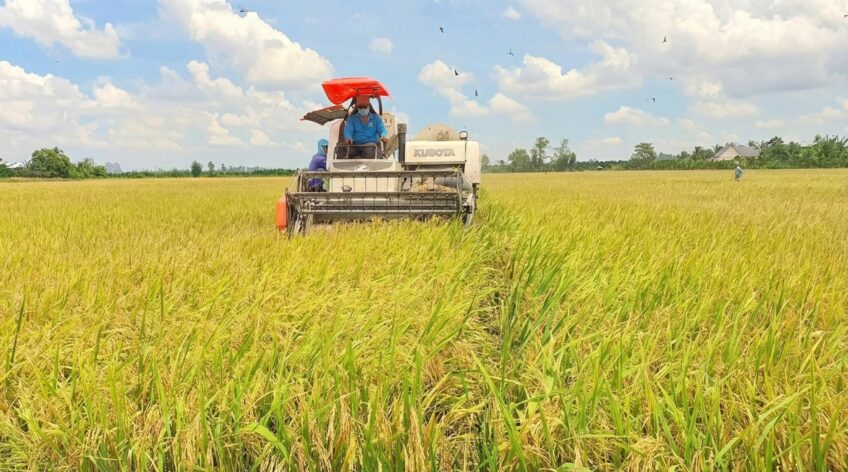
Winter-Spring Rice 2025-2026: The ‘Alum Reduction – Root Stimulation’ Technique Right at the Season Start
The Winter-Spring crop is always considered the primary rice season of the year, carrying the highest yield expectations. However, the 2025-2026 season is forecast to face early salinity intrusion and soil that hasn’t had time to “rest” after the Summer-Autumn crop, leading to a very high risk of alum and organic toxicity. How can we help rice plants “take root” quickly and tiller vigorously right from the start?
1. Early Season Challenges: “Overloaded” Soil and Toxicity Risks
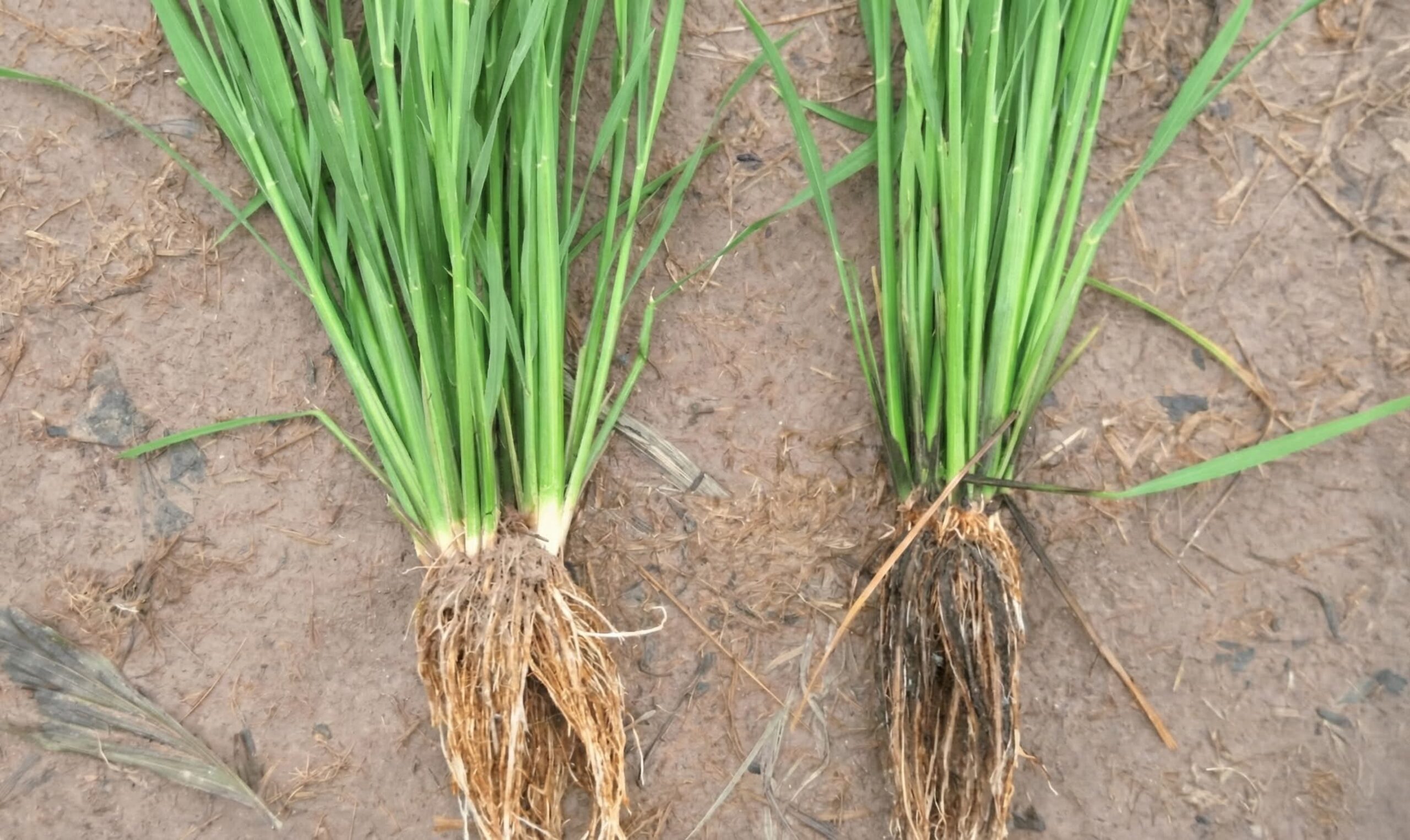
Due to continuous intensive farming, straw from the previous crop that has not fully decomposed will release toxic gases ($H_2S, CH_4$), causing black roots and stunted growth (root suffocation). Additionally, potential alum in the soil rises to the surface during the early season heat, causing “shock” to young rice plants.
If soil preparation is not handled well, no matter how much fertilizer farmers apply, the plants cannot absorb it, leading to waste and delayed growth.
2. Standard Technical Soil Treatment Process
To minimize toxicity, farmers need to adhere to the following basic soil treatment steps:
Step 1: Straw Treatment and Liming
Immediately after the previous harvest, farmers should plow and harrow thoroughly to bury the straw. If possible, spray Trichoderma fungi on the straw to accelerate decomposition, turning it into organic fertilizer for the soil.
Simultaneously, apply Powdered Lime (about 20-25kg/1,000m²) as a basal application. Lime helps raise soil pH, reduce acidity, and create a favorable environment for root development.
Step 2: Basal Fertilization with Phosphorus – The Key to “Keeping Roots Warm”
Instead of fertilizing out of habit, farmers should focus on basal application using Fused Calcium Magnesium Phosphate or Decomposed Organic Fertilizer.
- Effect: Phosphorus helps reduce alum, develops the root system, and keeps the seedling base warm during cold early-season days. Soil with sufficient Phosphorus and organic humus will be porous and retain water better during the dry season.
3. Root Stimulation Secrets: Proper Nutrition & Right Timing
For rice to achieve high effective tillering, the root system must be strong to absorb nutrients. Instead of abusing too many growth stimulants, farmers need to master the following nutritional principles:
- 7-10 Days After Sowing (1st Application): This is the “Golden Time” for root stimulation. Farmers should prioritize fertilizers with high Phosphorus (P) content (such as DAP) to help locally reduce alum around the root zone.
- “Light Fertilizer – Heavy Water” Principle: At this stage, rice plants are still small and do not need too much Nitrogen (Urea). Excess Nitrogen at this point can cause “leggy growth,” make plants weak, and increase susceptibility to Rice Blast disease. Focus on Phosphorus and manage water levels to encourage deep rooting.
4. Water Management: “Alternate Wetting and Drying” (AWD) Technique
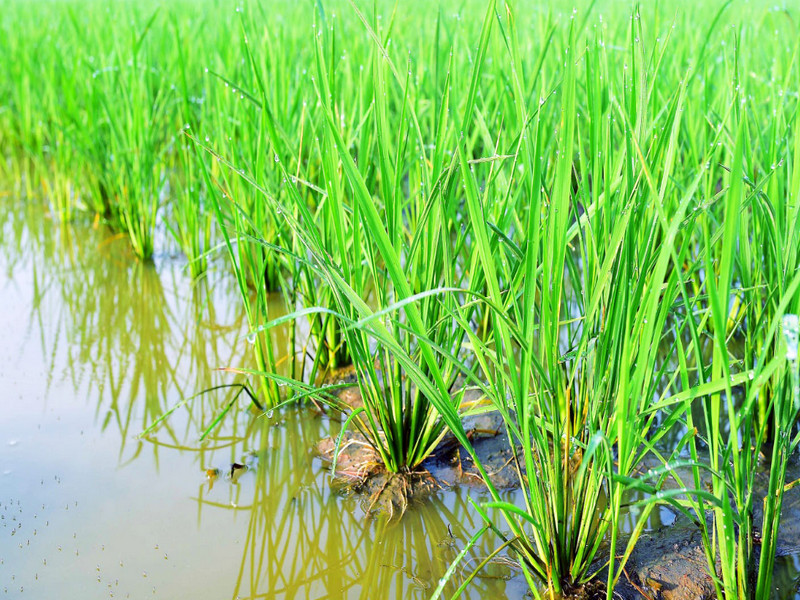
In the context of potential saltwater intrusion, saving fresh water is vital. Apply the Alternate Wetting and Drying technique:
- Only pump water into the field when the soil surface shows light hairline cracks (about 1-2cm).
- Letting the field dry to light cracks allows oxygen to enter the soil, helping roots respire more vigorously and grow deeper to find water and nutrients. This makes the plant sturdy and significantly reduces lodging (falling over) later on compared to keeping the field constantly flooded.
Conclusion:
A successful Winter-Spring crop starts with a healthy root system. We hope these technical insights will provide farmers with more experience to manage their fields effectively and save costs.
Do you need further advice on rice cultivation techniques? Contact Nong Dien Phat’s technical hotline immediately for free support!


